
Foundry spatial
Flux forecast, flood insights
Enhanced usability and efficiency by 25% and reduced errors in assessing flood risks by 30%
Overview
Context
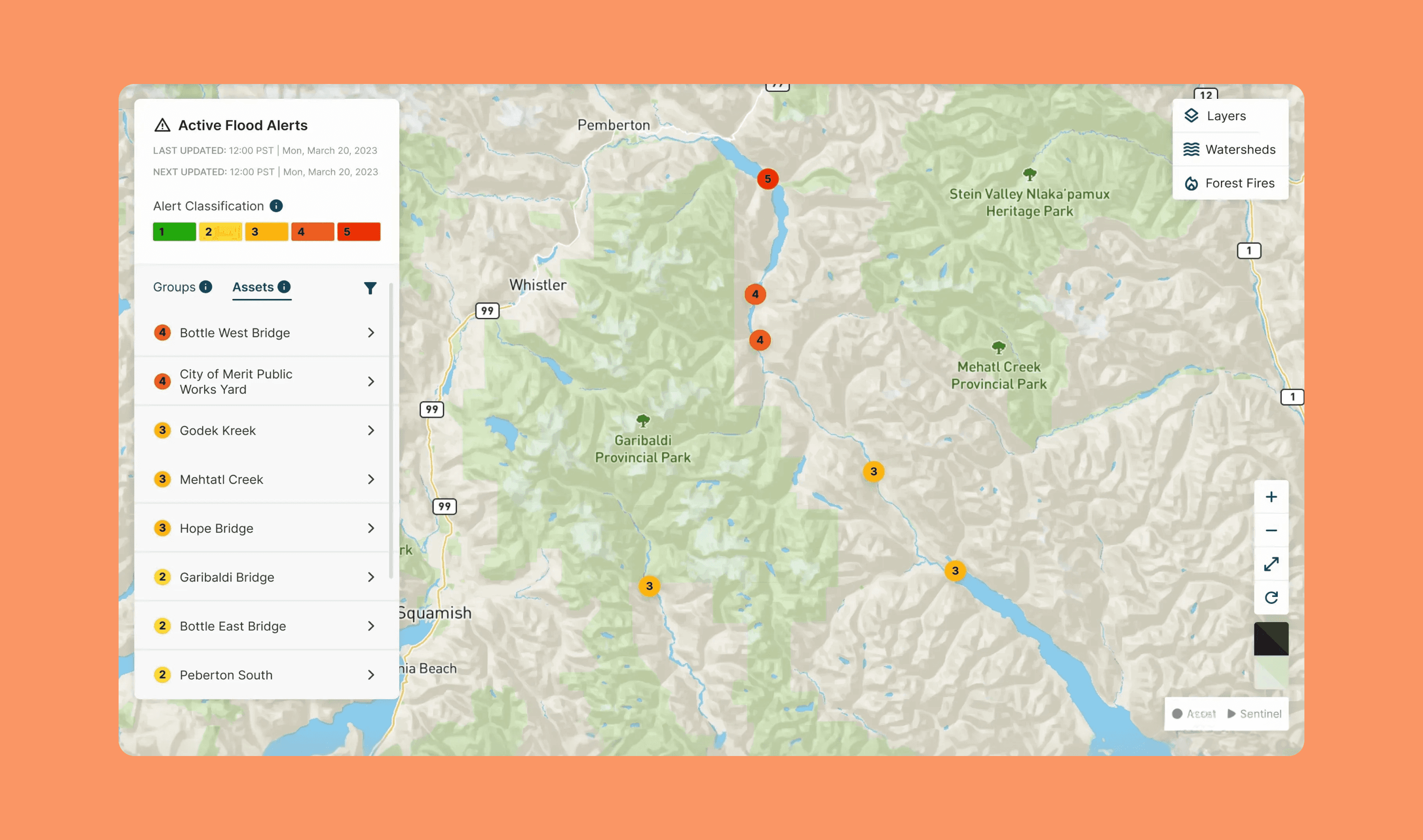
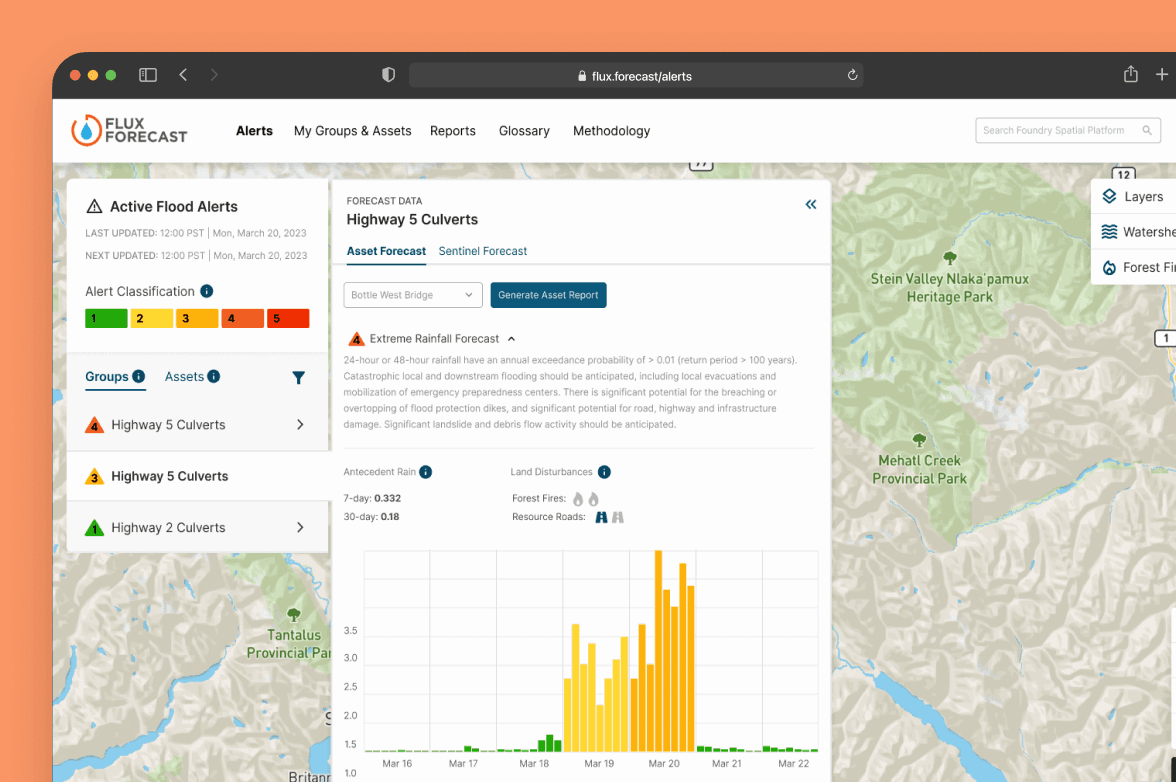
Flux Forecast is a SAAS analytical platform which provides flood risk information up to 7 days in advance for extreme weather events. Using cutting-edge science and technology they translate large data into a simple UI by understanding rainfall, snow melt, land disturbance from forest fires. Currently they work closely for governments and industry experts in North America
My role
UX Research, Usability Testing, Interaction Design, Design System.
Problem and objective
Complex weather data sets are handled primarily by specialized scientists and are therefore inaccessible and incomprehensible to the general public. There is a gap in understanding the infrastructures impact of extreme weather events by infrastructure enterprises or government agencies.
Contributions
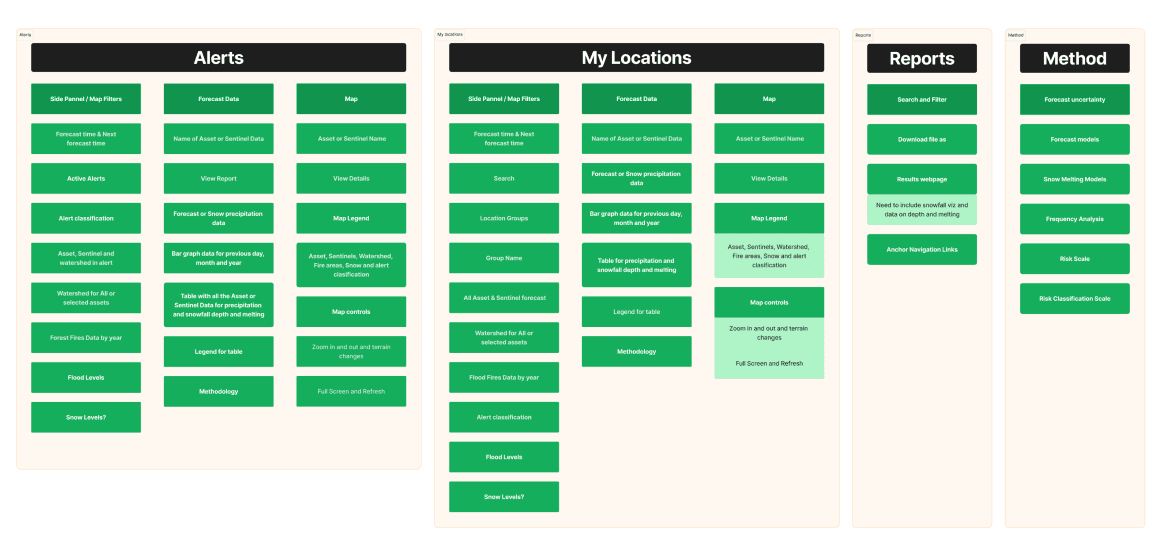
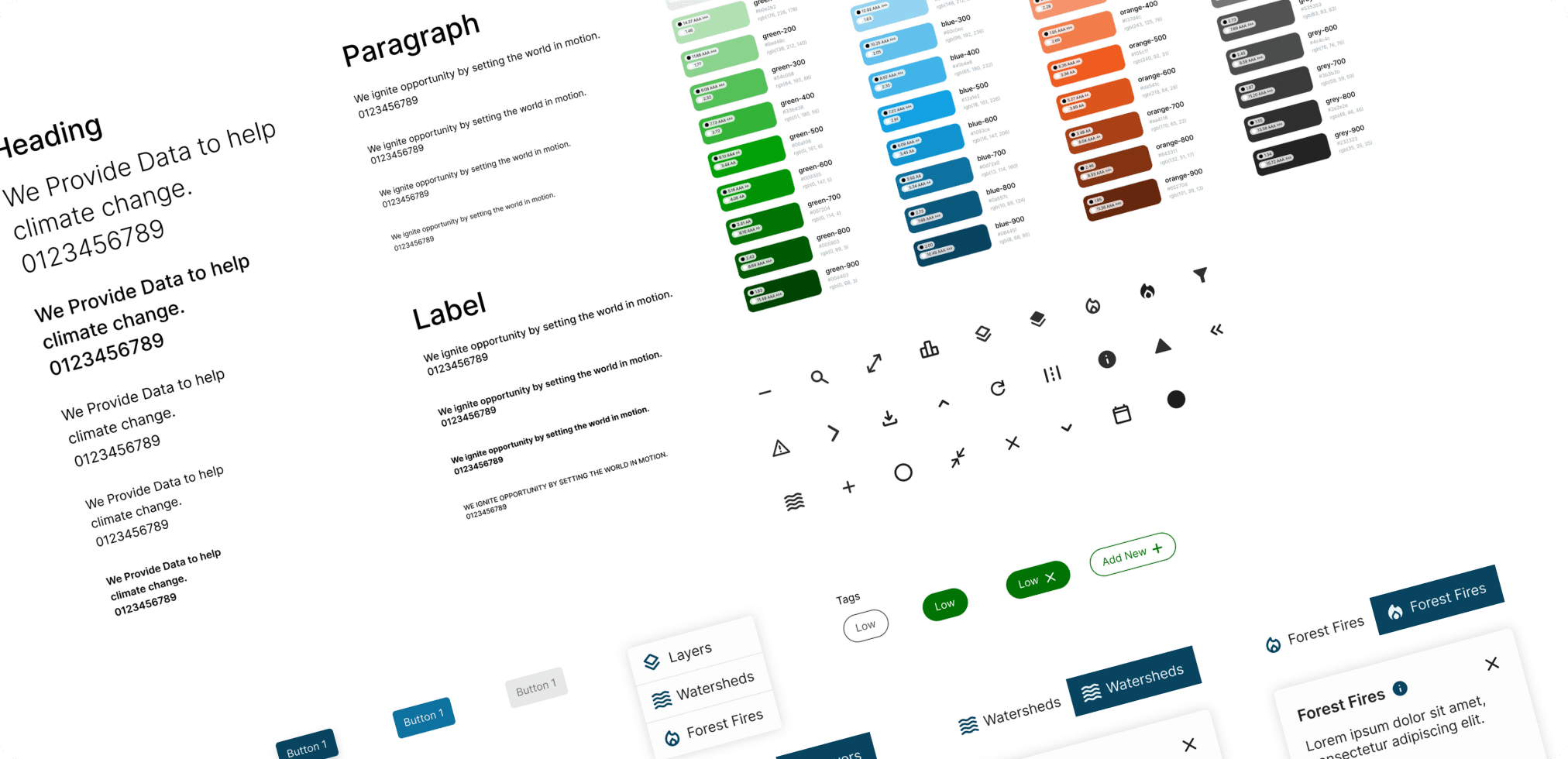
→ Interviewed stakeholders → Conducted secondary research → Planned usability testing with KPI's. → Facilitated stakeholder workshop → Re-organised Information Architecture. → Crafted mid and high-fi prototypes. → Owned design library and dev. documentation efforts.
Words from project manager
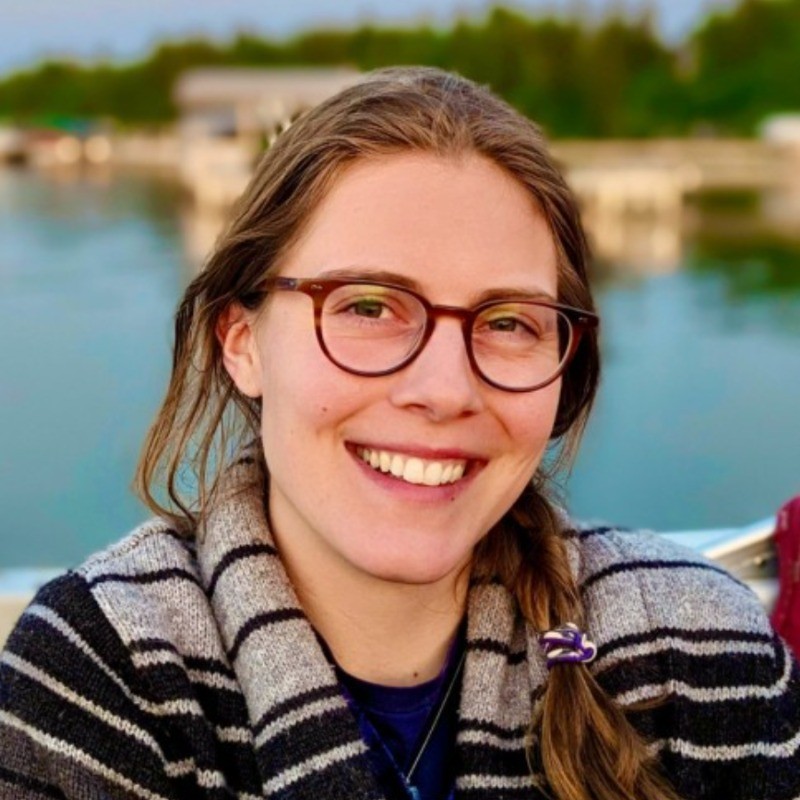
"A pleasure working with Guru as he applied a spectrum of design activities; including user research, persona definition, prototyping and user testing.
We were really impressed with the final hi-fi prototypes and detailed design documentation handoff materials included in the final deliverable, as well as the diligence and professionalism demonstrated by Guru over the entire course of the project."

Foundry Spatial
Mia, Product Manager
Investigated problems
Through Kick off I aimed to learn about the product, the people behind it, and core users struggles with the app which helped to plan out next steps.
1. Stakeholder interviews
From interviewing CEO, CTO, Project manager in an semi-structured method. I gained insights about the tool from who has familiarity and enabled a safe space to share where the tool can be improved. Objective of this interviews: → Gather attitudinal insight about current issues. → Identify the key user groups. → Where to focus from design process & competitors.
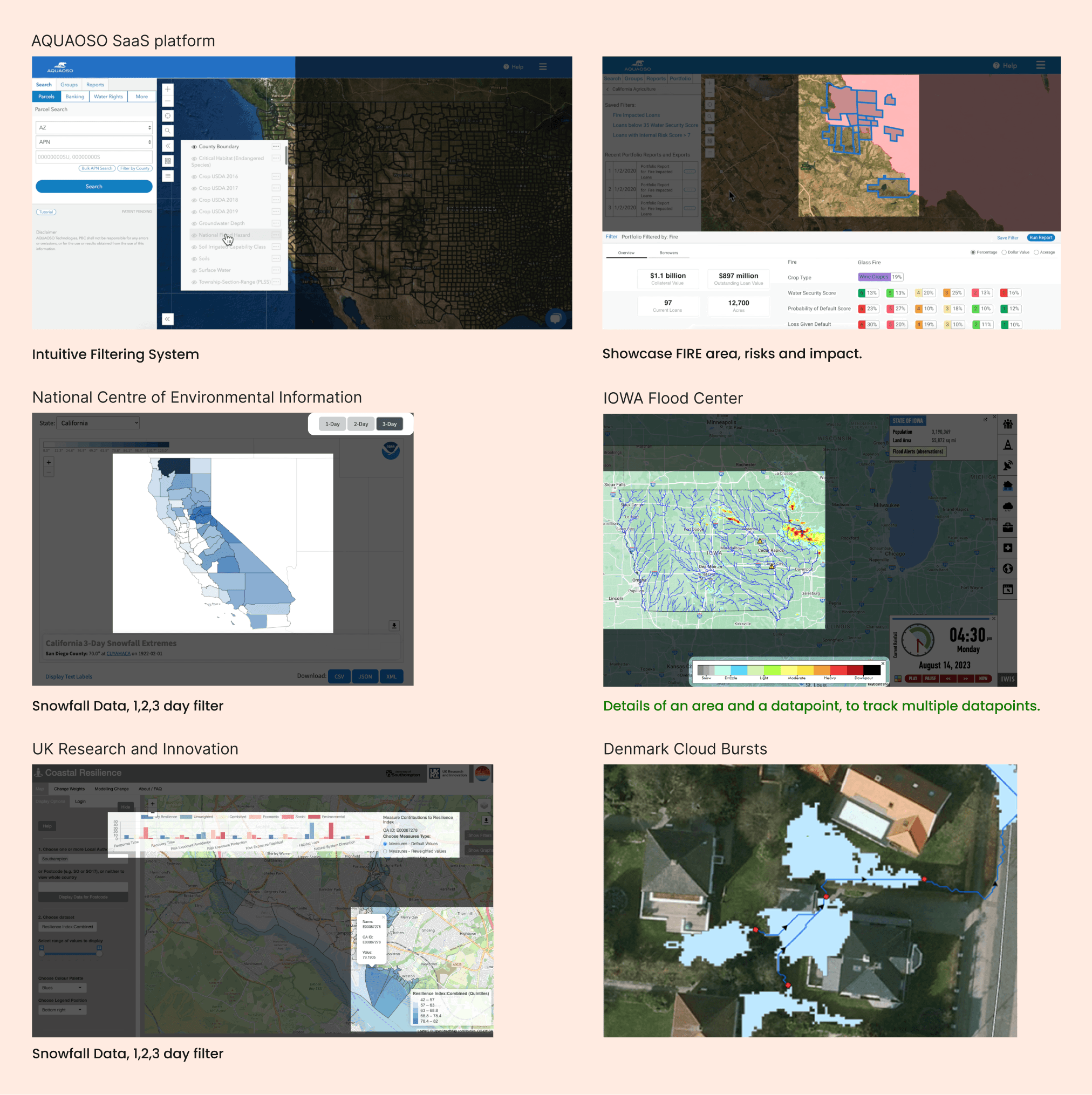
Identified major user group
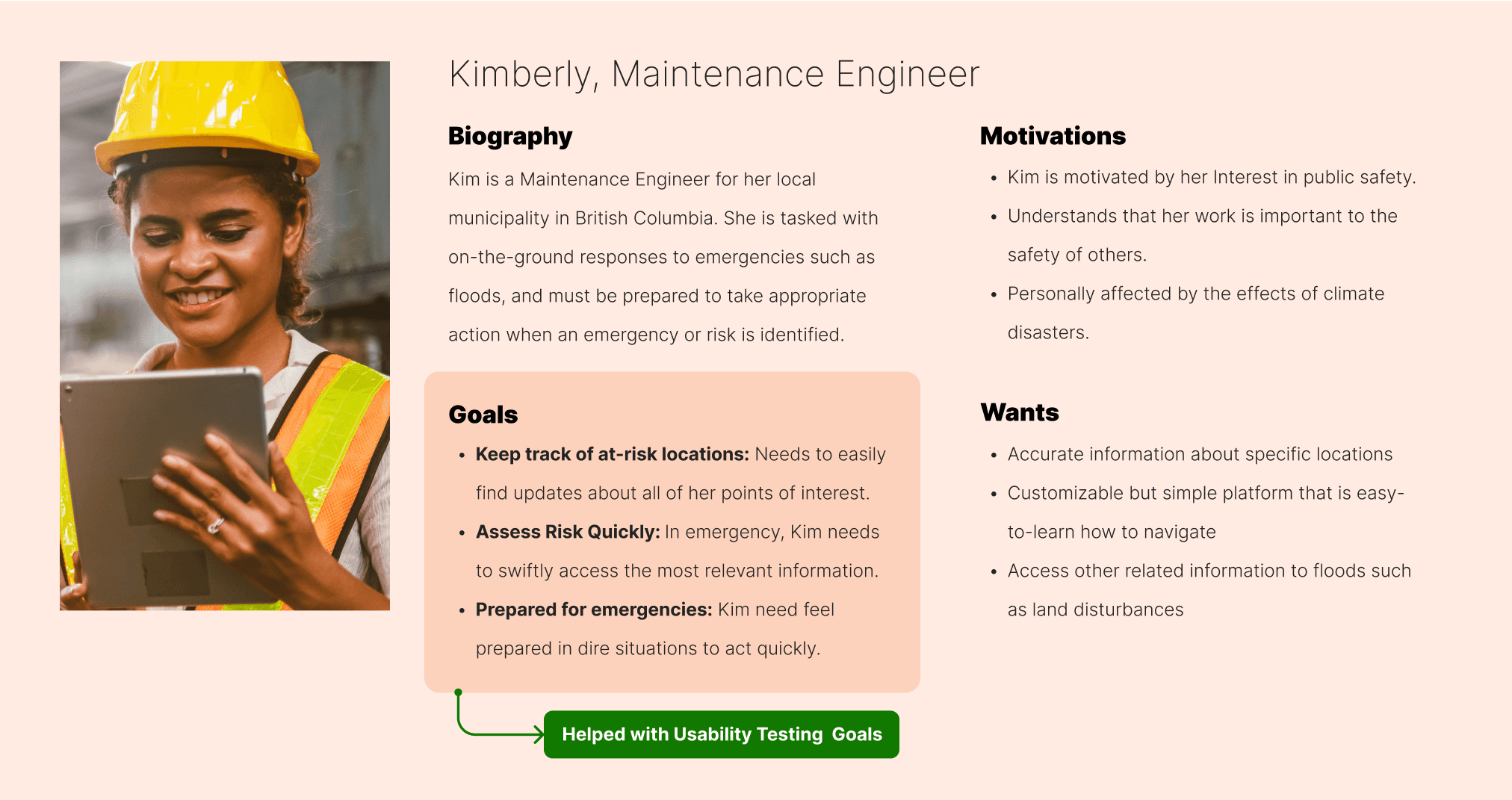
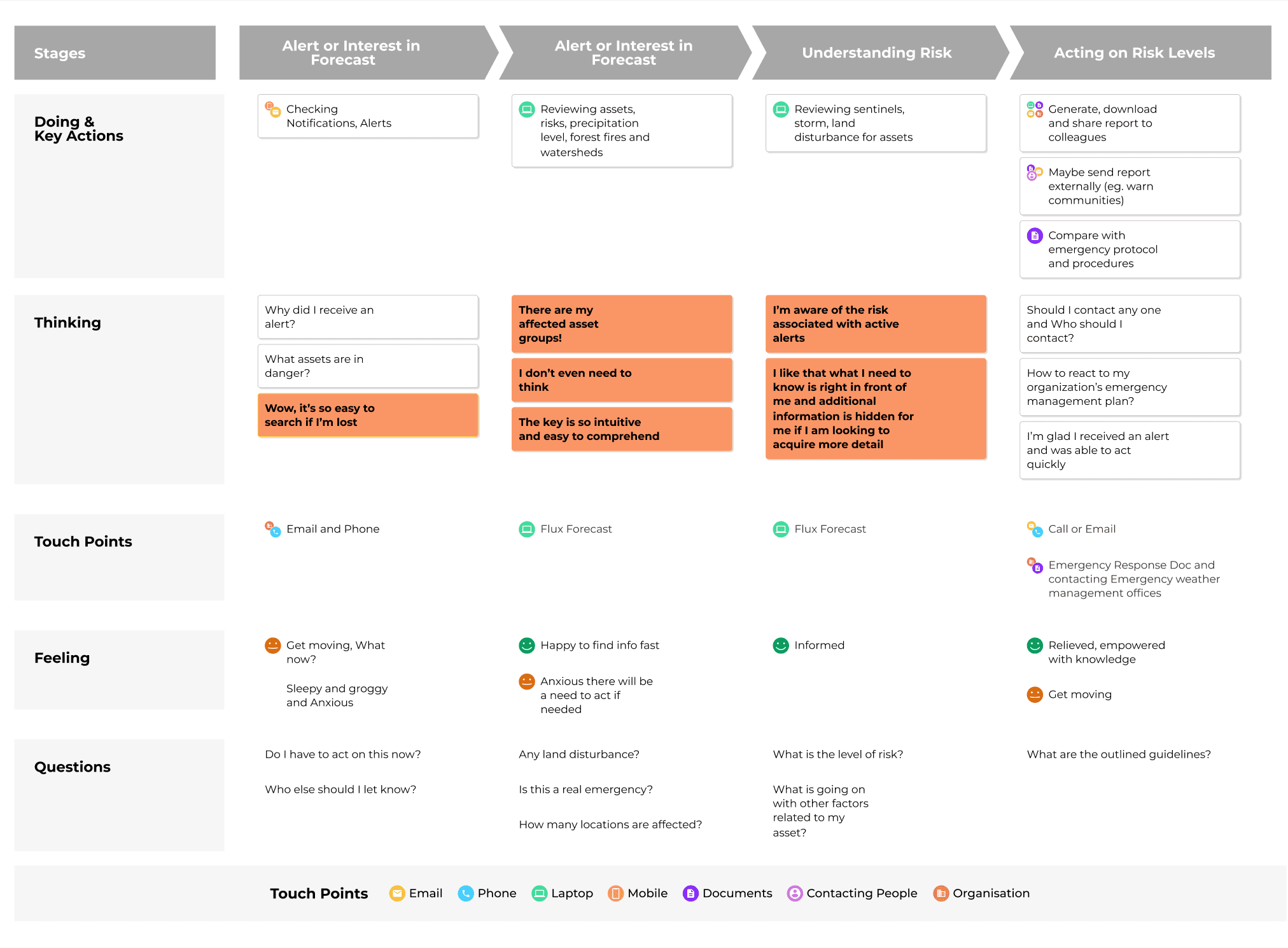
The research encompassed diverse channels, leading us to pinpoint two pivotal user groups: Municipal governments: Concentrating on specific geographic areas. Large infrastructures: Concerned with the safety and coordination of human resources. I strategically directed the focus towards Emergency Response Team. Since product triumph hinges on the precise deployment of human resources at emergency situations.
Usability test insights
Ease of use and comprehensibility were two primary measures for success. Quantitative: Conversion Rate, Task success rate, Time on task Qualitative: Recording user Satisfaction Score
Technical jargons
Language should be made clear and understandable for all users, not just those familiar with flood prediction terminology.
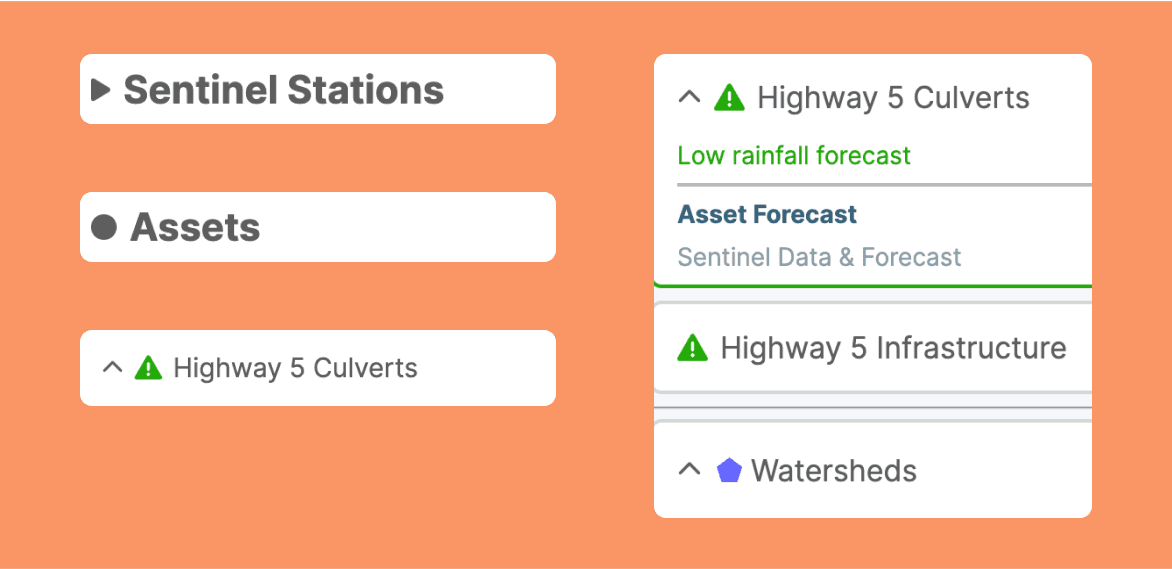
Visual
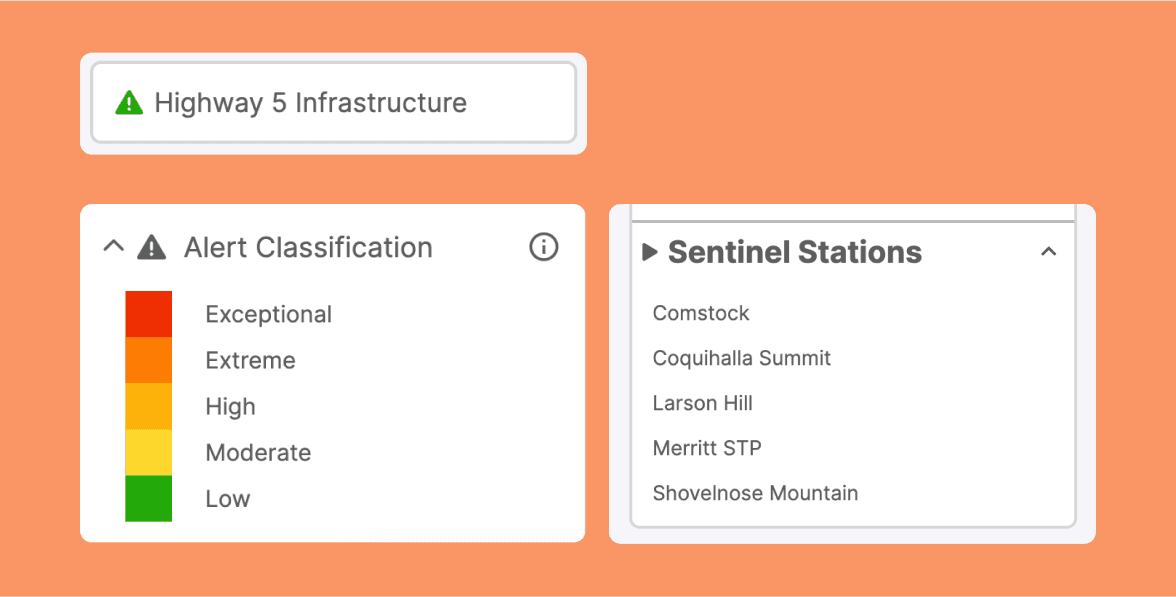
Sections are not obvious to the users in the way that they are found or other products they have interacted with.
Navigation
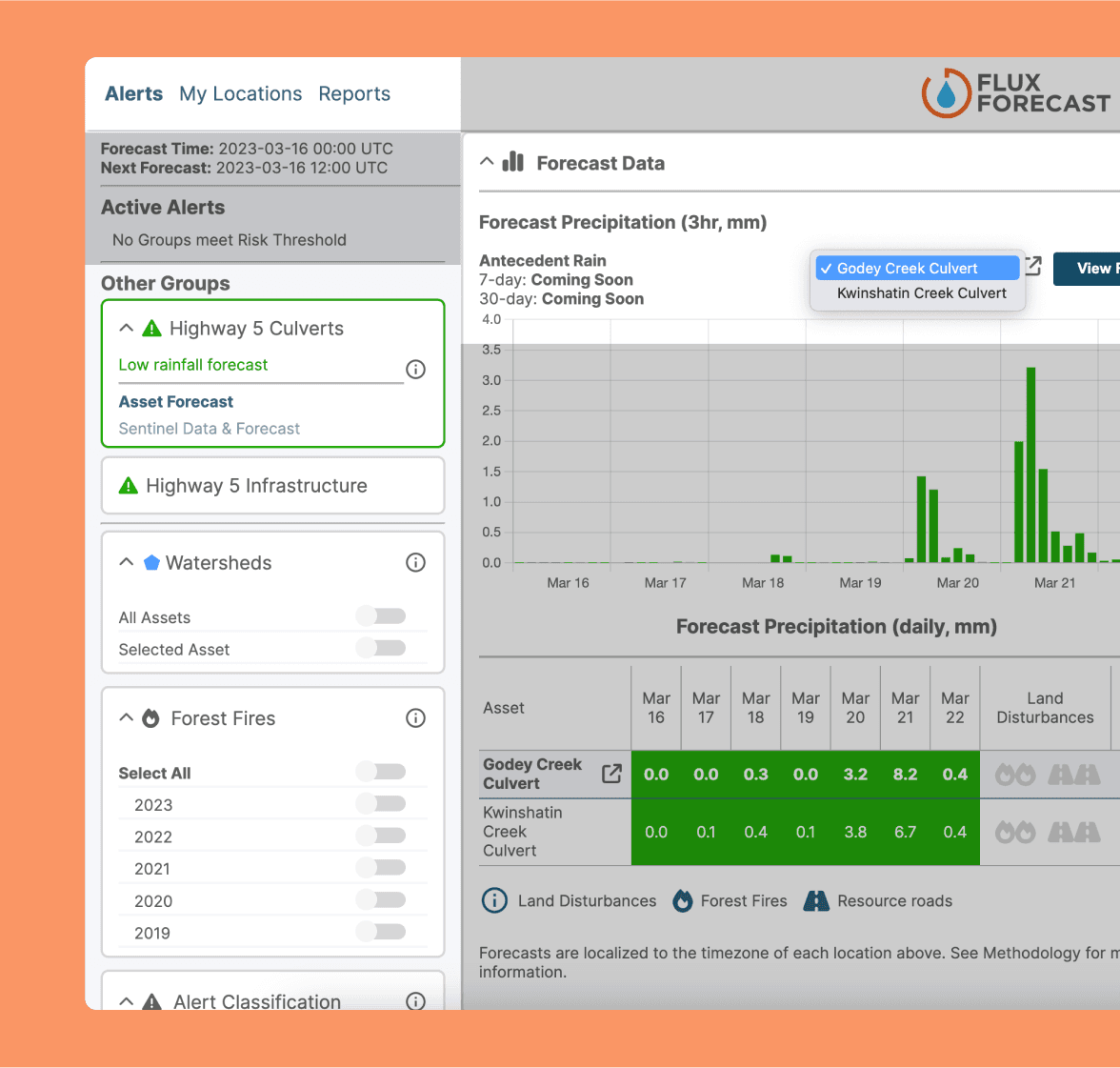
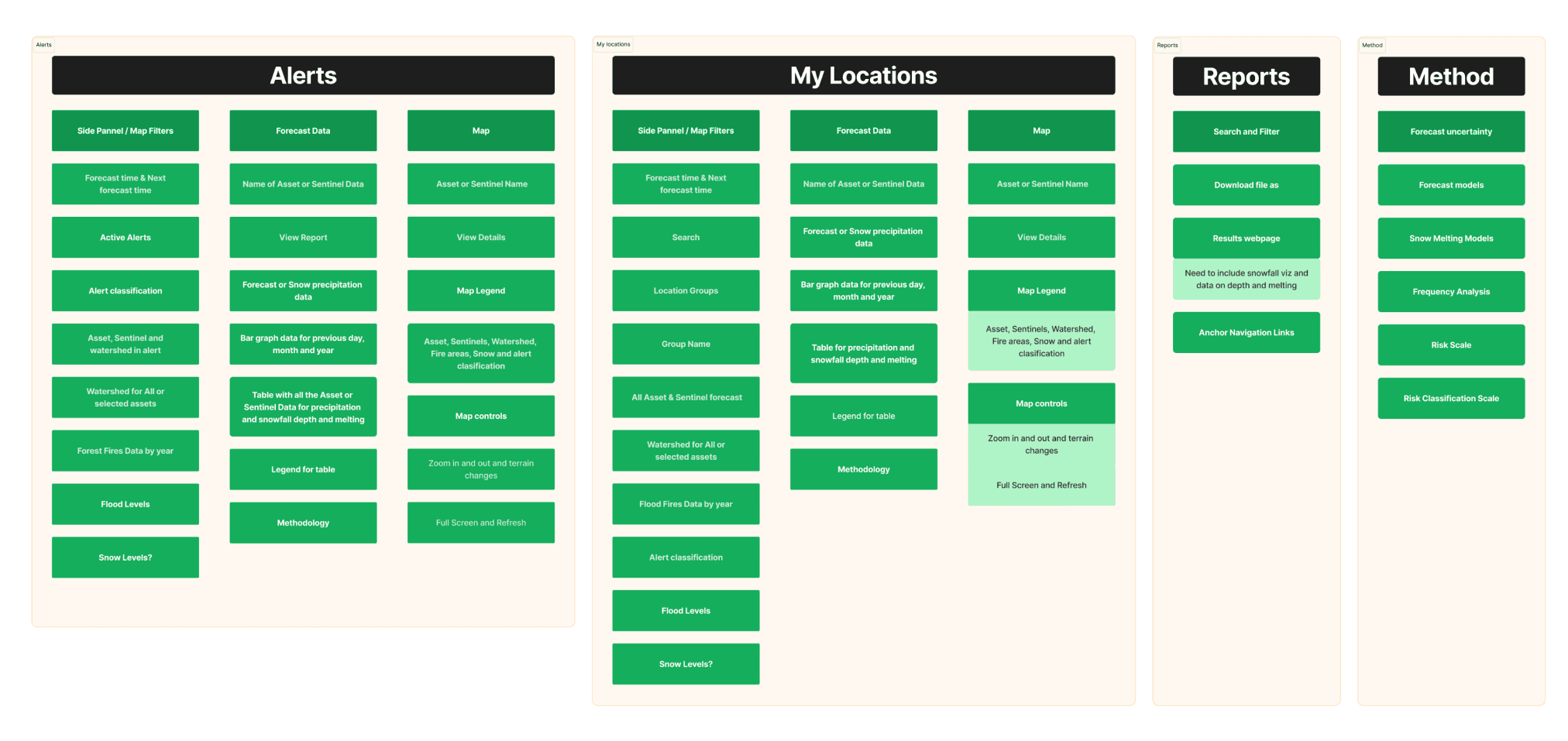
Many underlying issues with the placement of the buttons and links since users were struggling with precision. This can be tackled by restructuring the features amongst the tabs.
Accessibility
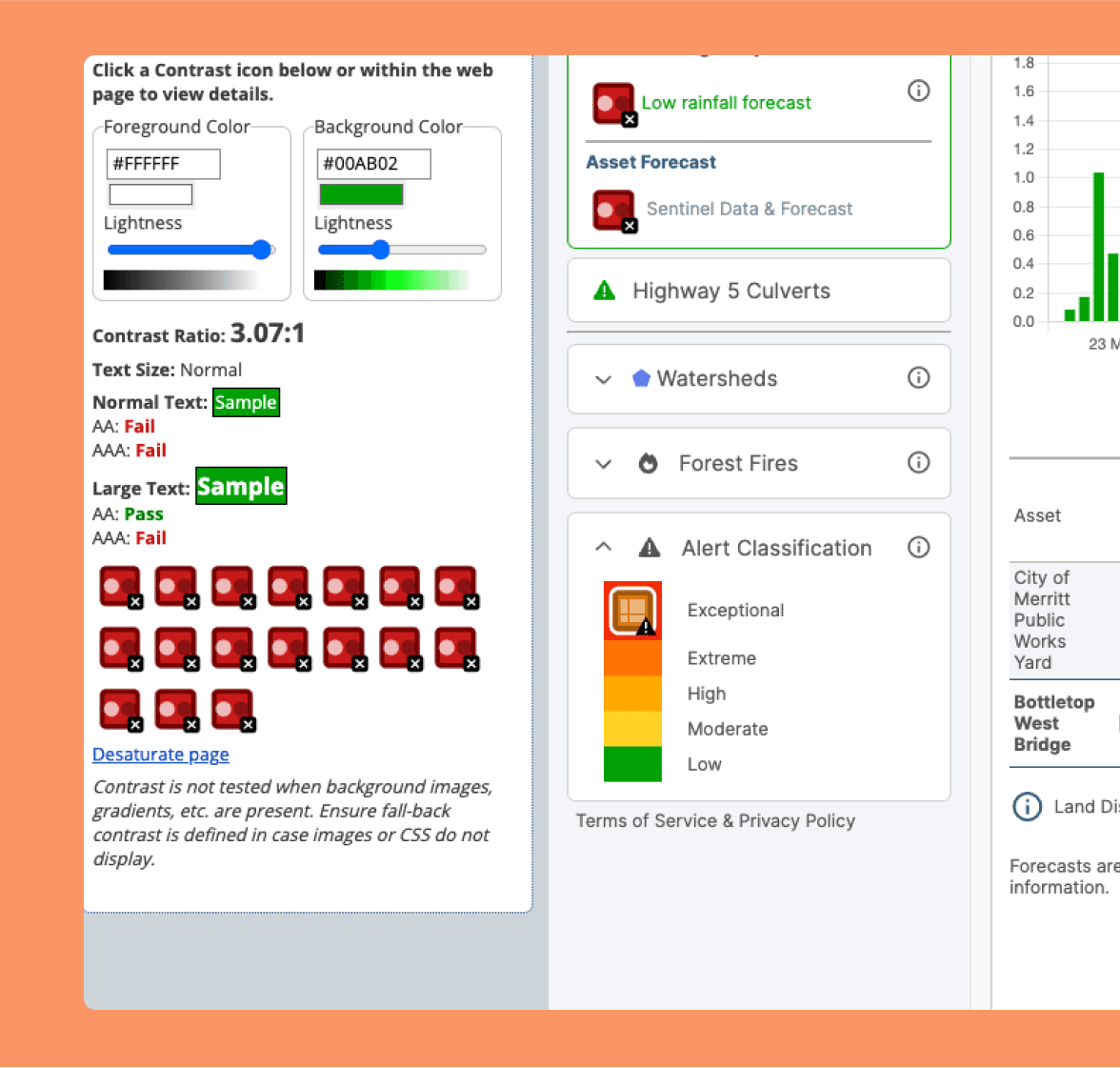
This was prominent and noticed during our audit where text, colour contrast, icons didn’t meet the minimum WCAG guidelines.
Next major steps
Interviews and online concerns
Starting with researching the product usability through interviews and hearing people's concerns online.
Share manufacturing stages
Establish a better customer connection by providing motorcycle delivery dates and manufacturing stages.
Check for elderly friendly
Considering few Jawa bike owners are elderly, the website needs to become senior-friendly.
Wireframe & Iteration
2. Usability test feedback
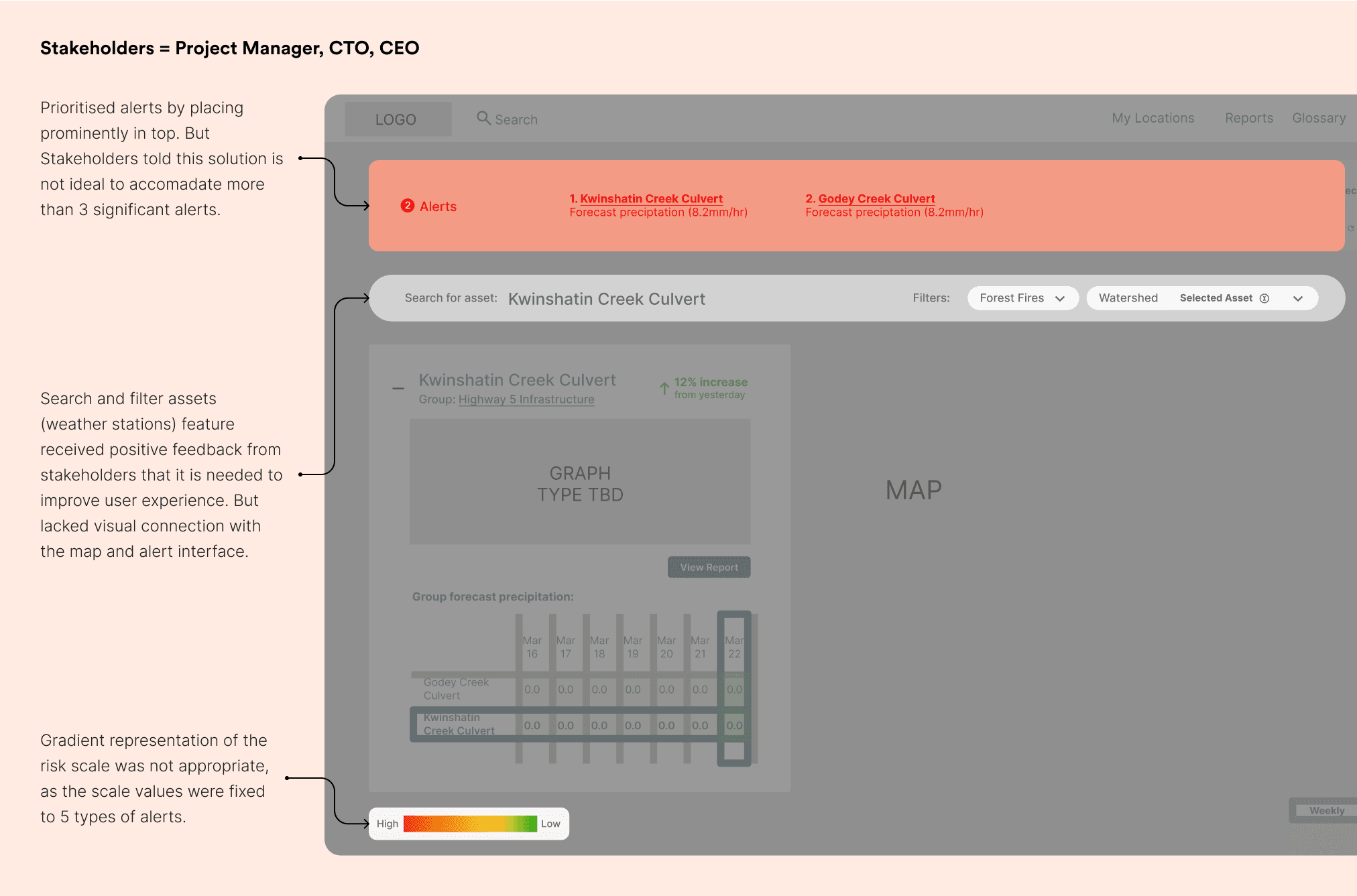
The stakeholder feedback could also come from biases hence why I wanted to directly get feedback from users as well. Once received feedback from the stakeholders, and I planned the usability testing of the medium-fidelity prototype with four participants. The research protocol for these tests involved the key tasks as the usability test in the initial testing phase.
Success Metrics
Measure of confidence in task success for qualutative findings
Quantitative findings included
→ High success rate for the main of task → Task difficulty rate
Used testing results to guide high-fi prototypes
All Participants reported that they would appreciate more guidance as first-time users, but reacted positively to the navigation and visual design cues.
High-Fi Prototypes
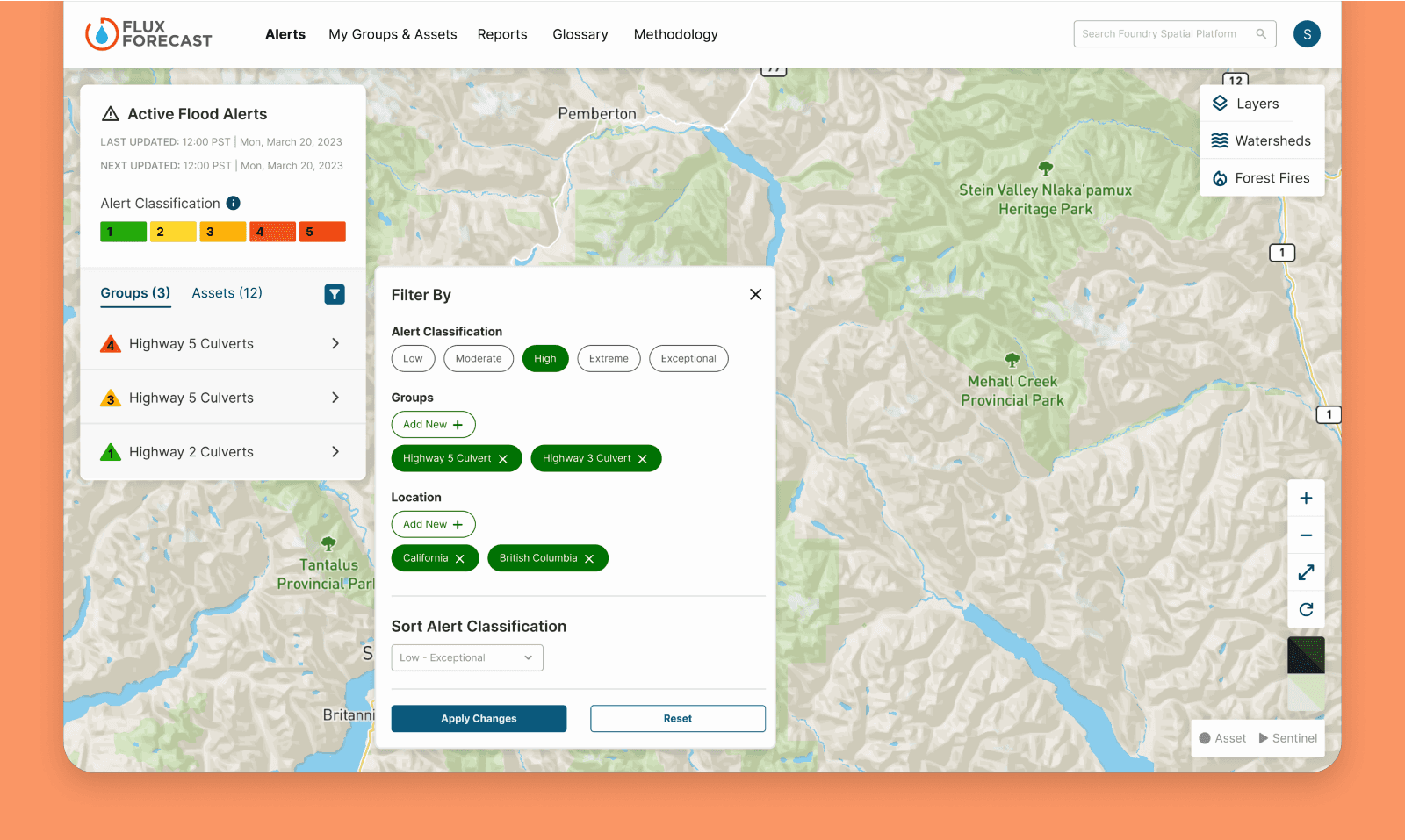
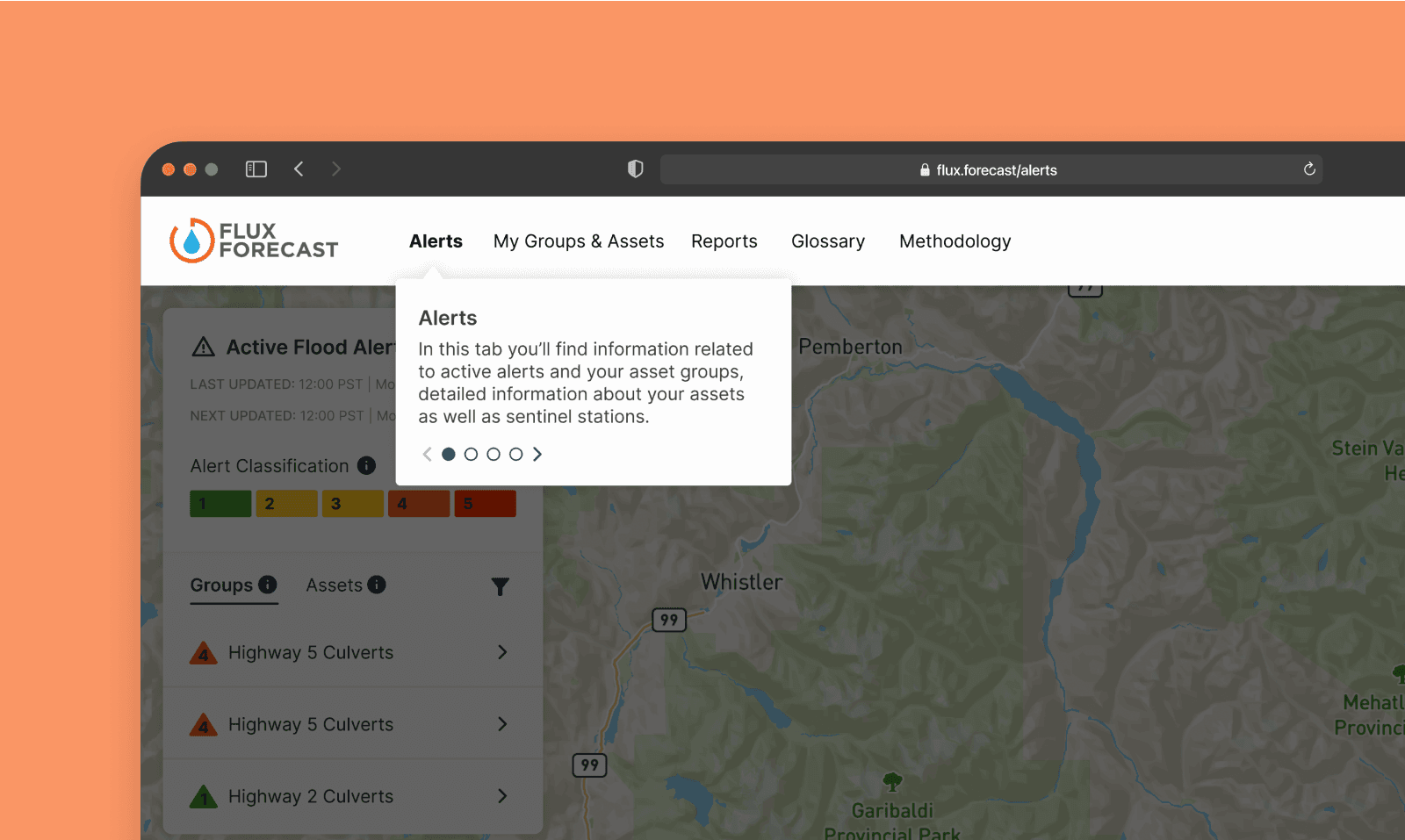
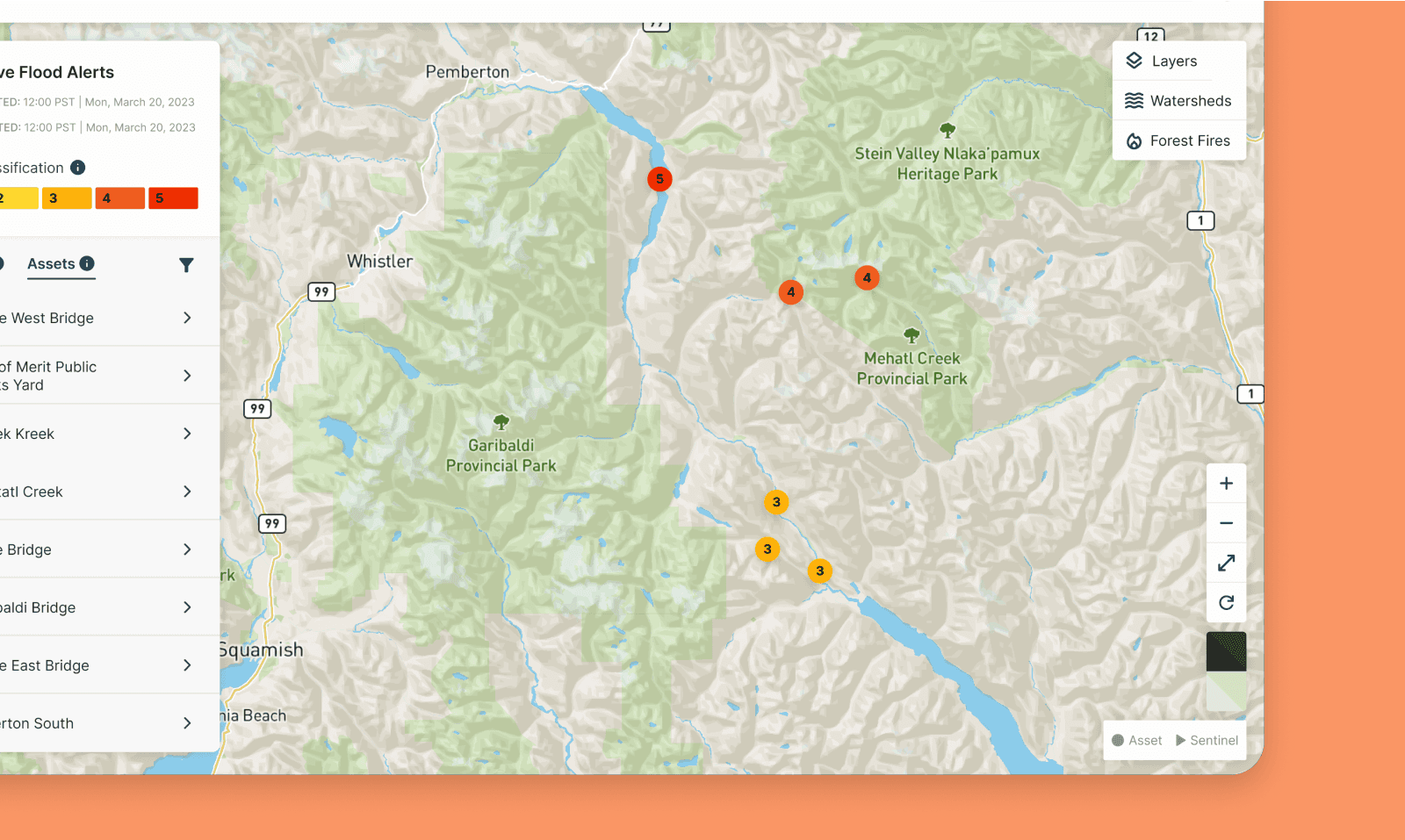
My reflection
Project scope
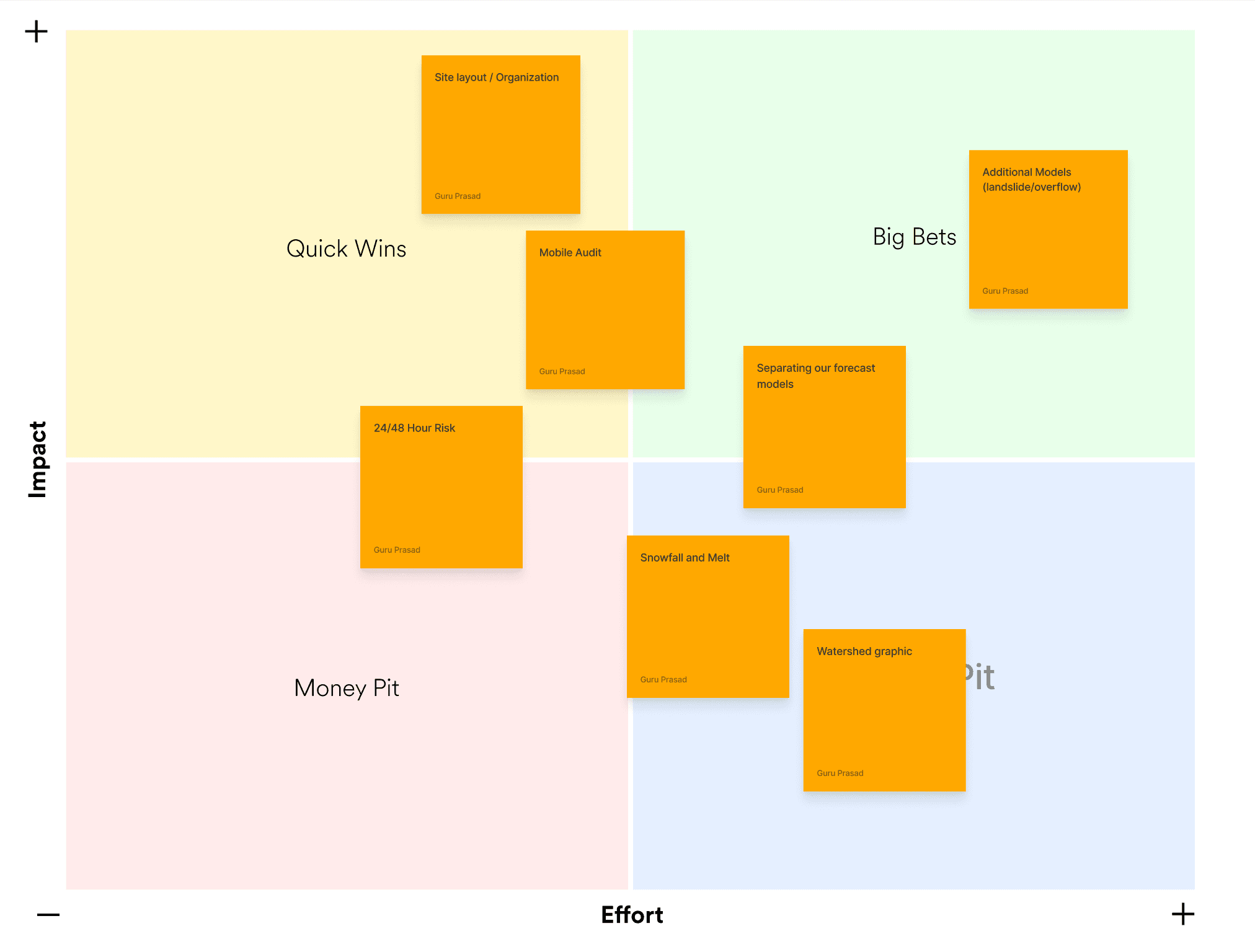
The project scope documentation, especially in collaboration with the Foundry Spatial team, proved invaluable in clearly defining our objectives and limitations, helping us avoid feature creep. For example, there was a moment when there was a significant push for the inclusion of snowfall features in this release. However, due to the absence of initial project scoping, tight time constraints, and a lack of user testing data for the snow melt feature, I decided to postpone the idea to phase 2.
Documentation
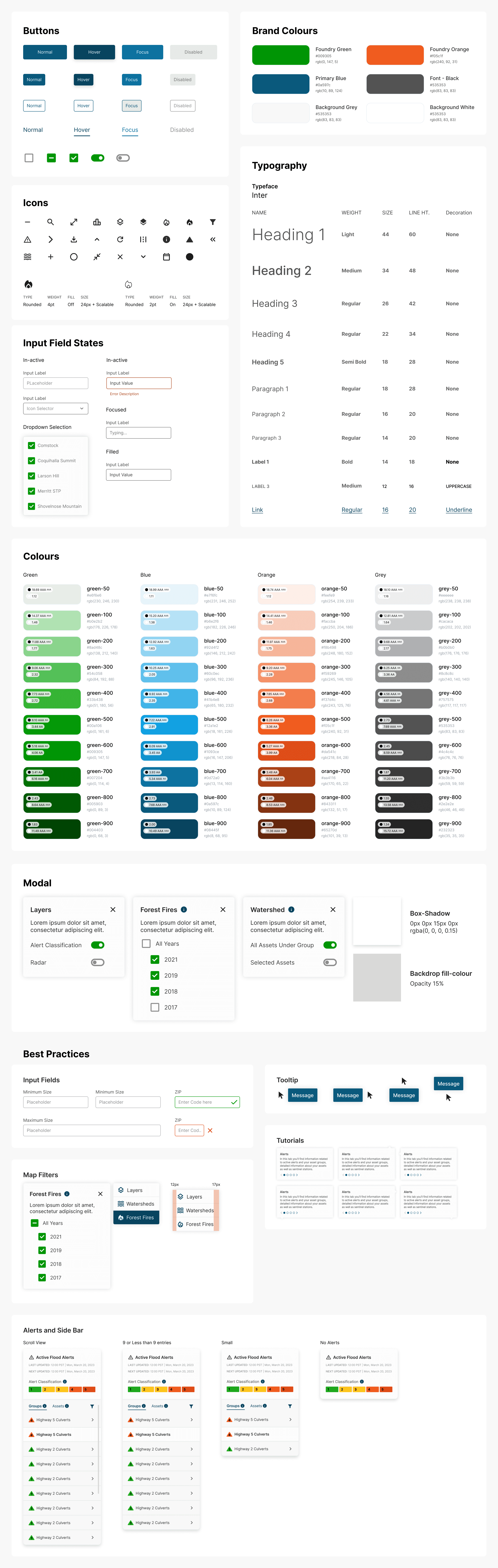
When I tackled documentation challenges it was tempting to slack off and deliver the minimum, since the other designers as well didn't want to get involved as the project is coming to an end. However, had enough of mediocrity in many companies, I adopted a mindset of striving for excellence. Developer needed more guidance, better explanations, and structure. Watching my teammates settle for the basics made me realise the importance of going above and beyond, considering multiple scenarios, interactions during documentation.